
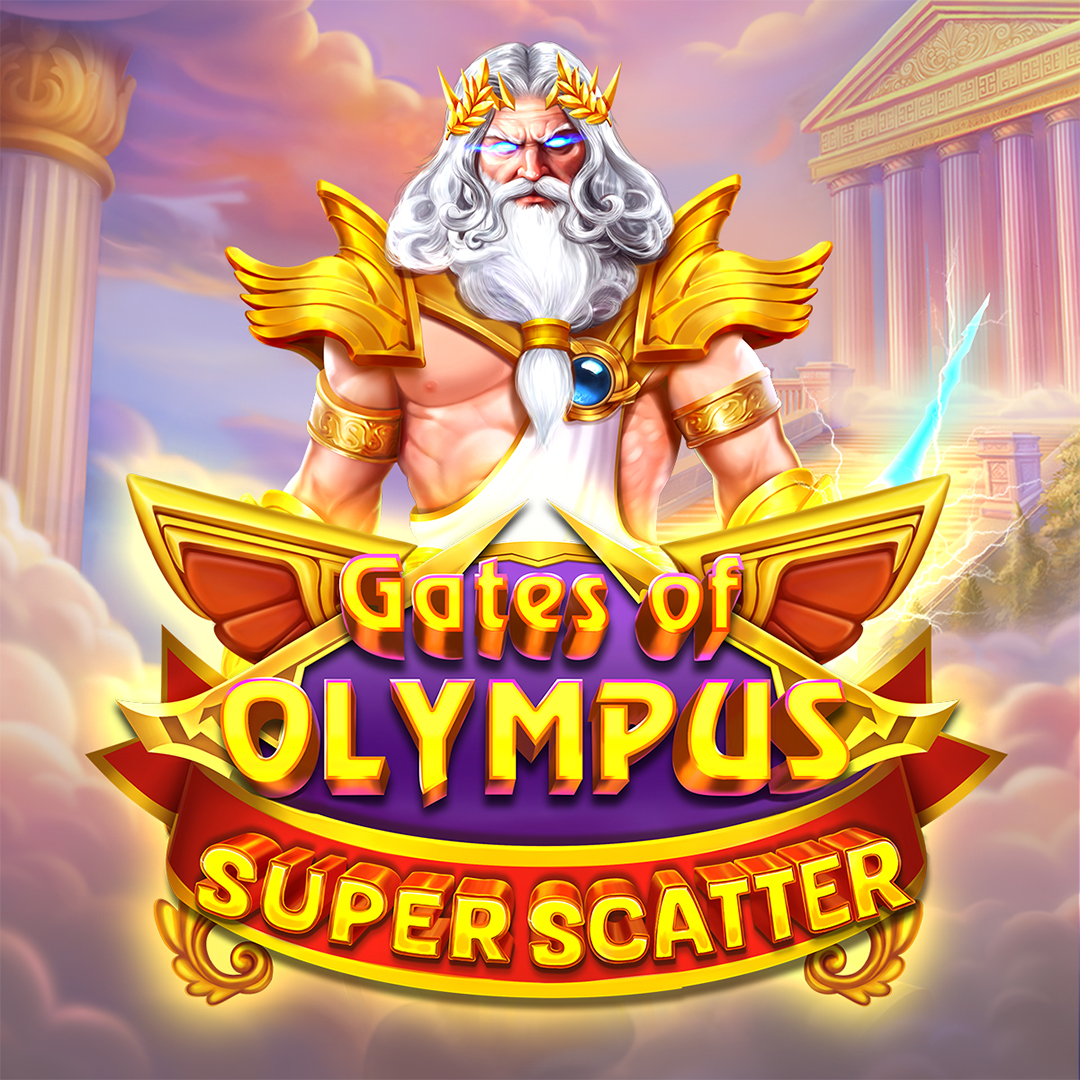
We approach slot paylines as a real-world design question rather than a decorative detail. In Spain, players assessing games in the regulated market will see fixed-line slots, ways-to-win games and pay-anywhere titles side by side, and the variations affect cost, hit frequency and how wins are interpreted. Gates of Olympus is a valuable case study because it is a single Pragmatic Play game with a 6×5 grid and no traditional paylines, yet it still requires players to grasp symbol matching, tumbles and multipliers. We will analyze how paylines work, why this title replaces them with pay-anywhere wins, and what Spanish players should confirm before playing.
Why Paylines Still Matter in Modern Slot Design
A payline is a specific path across the reels that needs to display matching symbols in the proper order, generally from left to right. When we compare slots, we count active lines because each line provides a distinct chance to win and a distinct slice of the total bet. A 20-line game with a €1 stake does not allocate €1 on every line; it distributes the stake across active lines, which alters the value of each line win. This is why two games with the same stake can appear very different: line count, symbol values and hit frequency all influence the experience.
Paylines still matter because they offer us a baseline for reading volatility and cost. A slot with many active lines can generate frequent small returns, while a game with fewer lines and larger symbol prizes may swing harder. In Spain, players often transition between traditional line-based slots and newer pay-anywhere releases, so knowing whether a win requires a line or simply a cluster of symbols prevents confusion. We also apply line count to judge whether a bet range is efficient: a low minimum bet on a 243-ways game is not directly comparable to the same minimum on a 10-line slot.
The payline concept also helps us evaluate game information screens. Before spinning, we verify whether lines are fixed or adjustable, how many lines are active at the chosen stake, and whether the paytable shows line wins or total-bet wins. Some games list prizes as multiples of the line bet, while others list multiples of the total bet; mixing those conventions results in false expectations. Gates of Olympus does not use paylines, but the same discipline remains: we need to determine what counts as a win, how the stake is allocated and which symbols trigger features. That habit is more useful than memorising a single line pattern.
Tumble System and Cascading Effects
Tumbles are active in both the base game and free rounds, and they are crucial to comprehending the pace. When a winning combo pays, the winning symbols fade, remaining symbols descend, and new symbols complete the grid. If the new setup yields another win, the procedure repeats. This may turn one spin into a series of payouts, but it can also stop immediately after the initial win. We treat tumbles as a independent layer from paylines: they do not form line paths, they prolong the effects of a pay-anywhere match.
We must also mention what the game does not utilize. Gates of Olympus does not rely on a standard wild symbol to substitute along paylines; the Zeus symbol is the scatter that activates the bonus, and multiplier orbs are separate prize enhancers. That means we are unable to read it like a classic five-reel game with wild substitutions and line wins. Rather, we monitor symbol counts, scatter totals and multiplier values. For Spanish players transitioning from traditional slots, this is the largest change: the bonus triggers and prize boosts are evident, but they do not follow line logic.
We evaluate tumbles by examining the order rather than the opening payout. A individual winning cluster can disappear and yield a grid that creates another match, Gates of Olympus juegos de slots, and that second match can be higher in value than the opening one. That said, the mechanic does not promise a chain; many spins finish after one elimination. We thus judge the game on the frequency of multi-step tumbles, not on the chance alone. This is comparable to how we assess paylines: the inclusion of many lines does not guarantee frequent wins, and the inclusion of tumbles does not ensure long sequences.
Why Gates of Olympus Swaps Paylines with Anywhere-Pays Wins
Gates of Olympus employs a 6×5 grid, which offers 30 symbol positions, and it does not award along fixed lines. Instead, wins are formed when eight or more matching symbols land anywhere on the grid, without regard to adjacency or a left-to-right path. This is often described as a pay-anywhere or scatter-pay model, and it shifts the reading of the screen: we look for symbol counts rather than tracing lines. The approach can feel more open than a 20-line slot, but it is not automatically easier, because the minimum matching count and symbol values determine how often wins actually land.
The pay-anywhere rule matters because it removes the line-bet calculation that many Spanish players are accustomed to. There is no need to select 1, 10 or 20 lines, and no line bet to multiply; the total stake is simply the amount wagered per spin. Wins are awarded according to the paytable for the number of matching symbols, with eight as the base threshold and larger counts paying more. This renders the game easier to set up but harder to estimate by eye, since a scattered group of low-value symbols can pay while a visually neat line of three symbols yields nothing.
We should not treat pay-anywhere as a marketing upgrade over paylines; it is a different probability model. Gates of Olympus also uses tumbles, so winning symbols are removed and new symbols fall into place, enabling multiple wins from one spin. That cascading structure is separate from the pay-anywhere rule, but the two work together to create longer win sequences. When we assess the game, we separate the matching rule from the tumble mechanic, because confusing the two complicates to judge why a spin paid and whether the volatility matches our budget.
Bonus Spins and Multiplier Collection
The feature setup is where this slot distinguishes itself from a basic payline game. At least four Zeus scatter signs trigger the bonus round, with more scatters giving more spins; the exact distribution is shown in the payout table. In the free spins, multiplier orbs can be collected into a running total, which then is applied to wins for the rest of the feature. That build-up is the key reason the game can deliver significant wins, and it is also why the round can finish uneventfully if the multiplier orbs do not build.
We consider the free spins feature as a separate volatility event rather than as a guaranteed recovery from a slow base game. The number of starting spins, the chance of retriggers and the behaviour of multiplier orbs all determine the round’s possible results. In our analysis, we examine whether multipliers persist for the whole round or reset after each win, because that aspect alters how much importance we assign to a long sequence. We also observe that the Zeus scatter icon is not a line-based wild; it is the round activator, so counting scatters is more valuable than tracking paylines.
We also distinguish the trigger condition from the multiplier performance when we evaluate the bonus. Four scatter icons begin the round, but the potential of the round relies on how many spheres appear and whether their values merge into a meaningful total. A round with several low multipliers can still yield less than a brief base game run, so we steer clear of expecting that bonus spins necessarily justify a bigger wager. We record the beginning spin total, any retrigger and the final multiplier total, because those details reveal to us more about the session than the visual display alone.
Volatility, RTP and The Spanish Players Need to Check
Gates of Olympus is known for remarkably high volatility, which means we need to prepare for extended gaps between meaningful wins and a strong dependency on bonus features. The standard RTP is typically displayed at 96.5%, but RTP can vary by version or market, so we verify the game information screen rather than guessing one figure applies everywhere. In Spain, players in the regulated market should look for the RTP and volatility disclosure in the game, not on a third-party review alone. A strong RTP does not eliminate variance; it describes long-term return, not the expected result of a short session.
We contrast volatility with bet size since the two dictate how extended a bankroll can survive a dry run. A €0.20 spin on a very high-volatility game is not the identical as a €0.20 spin on a low-volatility 10-line slot, although the stake seems identical. Gates of Olympus allows a bet range that typically starts at €0.20 and can rise to €100, so the minimum is accessible but the swings can yet be severe. We suggest defining a session budget in euros before spinning and viewing the maximum win of 5,000x as an result, not a target.
We also check whethe the game version facing us matches the advertised RTP, since some releases present lower-return configurations. This is not a cause to doubt the game, but it is a cause to examine the information panel before dedicating a budget. Spanish players should also observe that volatility affects feature frequency: a game can have a good RTP and nevertheless supply most of its return through free spins and multipliers. If we desire steady small wins, a high-volatility pay-anywhere title is usually the unsuitable tool; if we accept dry spells for a opportunity at larger multipliers, it fits that brief.
Understanding the Columns, Lines and Symbol Worth
The 6×5 setup provides Gates of Olympus a tall play area, and we read it by tallying symbols rather than following paths. The paytable organizes symbols into lower-value and higher-value groups, with character symbols generally priced more than objects. Exact prize values can vary by version, so we always check the in-game paytable instead of relying on screenshots. What matters for payline comparison is the limit: eight matching symbols anywhere is the starting point, and the payout rises as the count climbs. That is a very different question from asking how many lines a spin triggers.
We use a short checklist to scan the grid before betting, because the visual theme can mislead from the rules that affect outcomes. First, we assess the grid: six reels and five rows represent 30 positions, so a symbol can show up many times without creating a line. Second, we check the minimum win: eight matching symbols anywhere is the base rule, not three or five on a line. Third, we spot the scatter and multiplier symbols, since they govern feature access and prize enhancement. Finally, we verify the paytable version, because prize values and RTP can change between releases.
- Look at the layout: six reels and five rows mean 30 positions, so a symbol can show up many times without creating a line.
- Find the lowest win: eight matching symbols anywhere is the basic rule in Gates of Olympus, not three or five on a line.
- Spot the scatter: the Zeus symbol starts free spins, and it is not a line-based wild.
- Watch multiplier orbs: they can appear with values from x2 upward and impact the current win or the free-spins total, depending on the phase.
We study the paytable in tiers because the difference between eight, nine, ten, eleven and twelve or more matches is not linear in every game. In Gates of Olympus, the base threshold is eight, and each additional matching symbol pushes us into a higher payout bracket for that symbol. We see whether the paytable lists separate prizes for each count or combines the top end, since that influences how we value a screen with many low symbols. This tiered reading is more precise than wondering whether a spin looked busy, and it helps us compare the game with line-based slots that pay only for three, four or five on a line.
Symbol values are not the single variable; the number of matching symbols is just as crucial. A high-paying character symbol may deliver a substantial multiple at eight matches, while a low-value symbol needs more matches to produce a similar payout. We thus refrain from evaluating a spin by the perceived value of the symbols alone. In a payline game, a row of three high symbols on an active line can be valuable; in Gates of Olympus, the same three symbols are irrelevant unless the total count reaches eight. That distinction is essential to reading the game precisely.
Bet Range, Session Strategy and Max Win Expectations
The wager range is one of the key practical aspects for Spanish players because it governs whether a session can be structured sensibly. Gates of Olympus generally permits stakes from €0.20 to €100 per spin, which encompasses low-budget play and higher-roller preferences. We need to remember that the maximum win is capped at 5,000x the stake, so a €0.20 spin has a very different theoretical ceiling from a €100 spin. That cap is not a promise; it is the maximum limit of the game’s payout structure, and achieving it relies on rare multiplier sequences.
We organize sessions around volatility rather than around the maximum win. A sensible approach is to divide the session budget into small units, such as 100 spins at the chosen stake, and quit if the budget is used up. Because Gates of Olympus is exceptionally high volatility, a run of 100 spins can generate little or nothing, especially if free spins do not occur. We avoid increasing the stake to chase losses, and we treat multiplier orbs as random enhancements rather than as a signal that a big win is coming. That approach is more beneficial than trying to predict tumbles.
We also compare the bet range with payline alternatives. A 20-line slot at €0.20 may allocate one cent per line, while Gates of Olympus employs the full €0.20 to a pay-anywhere spin with tumbles. The two bets are not equal in expected outcome or variance. Spanish players should check the minimum stake, the maximum win cap and the RTP version before picking a game for a session. If the ceiling and volatility match the budget, the game can be judged on its own terms rather than as a replacement for a line-based slot.